One Month, Svg Design: A Designer's Review for Real Projects
As someone who spends most of their day staring at screens full of vectors and then watching those same shapes turn into thread on fabric, I have developed a keen eye for what works and what doesn't. When I first pulled up the One Month, Svg Design file set, my immediate reaction wasn't just about the aesthetic; it was about utility. In the world of Crafts and Graphics, we often get swept up in cute visuals, but as a professional, I need to know if a design will hold up under the needle. This review breaks down how this specific asset performs when moved from a digital download to a tangible, stitched reality.
First Impressions and Visual Personality
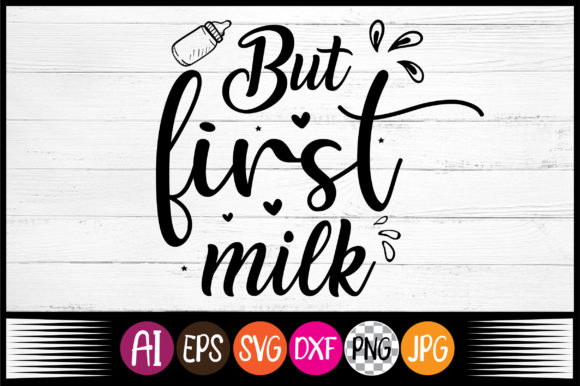
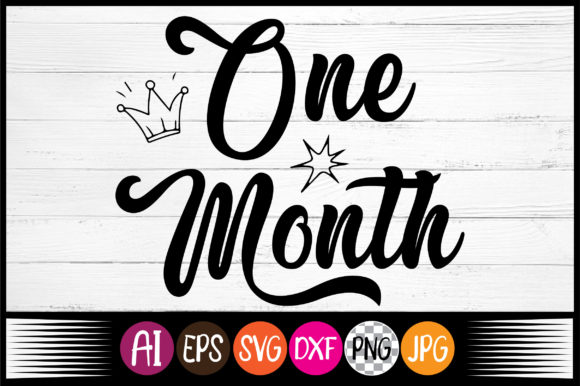
The moment you unzip the folder, you are greeted with a robust collection of formats: PNG, JPG, DXF, AI, EPS, and the star of the show, the SVG. For an embroidery designer, the presence of the SVG and DXF files is crucial. These are the bridge between a flat image and a machine embroidery design. The "One Month" theme suggests a timeline, a milestone, or perhaps a countdown, which gives the design a narrative quality. It feels modern yet timeless, suitable for marking a special occasion like a baby's first month, a business anniversary, or a personal challenge completed.
Visually, the layout appears clean. In Graphics, simplicity often translates best to thread. Complex gradients and tiny details that look sharp on a 4500x5400 PNG can become a muddy mess when converted to satin or fill stitches. The strength of this design lies in its potential adaptability. Because the item description notes the ability to "Change color," I immediately started mentally swapping thread palettes. Could this work in pastels for a nursery? Or bold primaries for a sports team jersey? The visual personality is versatile, avoiding overly trendy elements that might date the finished product too quickly.
Real-World Application: The Custom Sweatshirt Scenario
To truly test the viability of One Month, Svg Design, I imagined a real-life client request. Let's say a customer wants a custom sweatshirt to celebrate their newborn reaching the one-month mark. This is a common order for any Etsy seller or small shop owner. The goal is a personalized gift that feels high-end, not like a cheap iron-on transfer.
Using the SVG file, I would import the shape into my digitizing software. Here is where the designer's judgment comes in. The lines in the source file look smooth, which is excellent for creating clean satin stitch borders. If I were stitching this onto a heavy cotton blend sweatshirt, I would lean towards a combination of satin stitch for the outlines and a light fill stitch for any larger enclosed areas. The texture of the fabric matters immensely here. A loopback fleece requires a different approach than a smooth jersey knit. The design's structure seems sturdy enough to handle the slight pull of a stretchy fabric, provided the right stabilizer is used underneath.
For a boutique product, presentation is everything. If this design is centered on the chest, it becomes a statement piece. If scaled down for a sleeve or near the hem, it acts as a subtle accent. The clarity of the lines in the original digital embroidery file suggests that even when scaled down, the integrity of the shape should remain, assuming the digitizer respects the minimum stitch width capabilities of the machine.
Navigating Fabric Challenges and Hoop Constraints
While the design is promising, there are practical constraints every maker must consider. One of the biggest hurdles in commercial embroidery is working with limited hoop sizes. Before committing to a large production run of tote bag designs or aprons, you must measure the design against your smallest hoop. If the "One Month" text or surrounding elements are too wide, you may need to break the design into sections or scale it down, which risks losing legibility.
Textured fabrics present another challenge. If you are applying this to a waffle-knit towel or a rough linen pillow cover, the background texture can interfere with the stitch definition. A dense stitch density might sink into the pile of the fabric, making the design look uneven. In these cases, I recommend using a cut-away stabilizer rather than tear-away to provide a solid foundation. Additionally, dark fabrics require careful consideration of thread colors. While the design allows for color changes, ensure there is enough contrast. A light grey thread on a charcoal shirt might look sophisticated on screen but disappear entirely once stitched.
Curved surfaces, like caps or hats, are notoriously difficult. The "One Month" layout might need adjustment to follow the curve of a cap panel without distortion. If the design has straight horizontal lines, they might appear to bow once stitched on a rounded surface. Always run a test on a scrap piece of the actual garment material before stitching the final handmade product.
Enhancing Brand Value and Customer Trust
Why does the choice of design matter so much? Because it directly impacts your brand consistency and customer trust. When a buyer receives an item featuring One Month, Svg Design, they are evaluating your professionalism. Clean edges, proper tension, and thoughtful color choices tell the customer that you care about quality. Sloppy stitching or a design that wasn't suited for the fabric tells them otherwise.
For creative entrepreneurs selling design assets or finished goods, this file offers a strong foundation. The inclusion of AI and EPS files means you can easily create printable mockups for your online listings before you even stitch a single thread. High-quality mockups drive engagement and help customers visualize the custom apparel or decor in their own homes. Whether it's for holiday embroidery gifts or everyday small shop products, a versatile design like this helps maintain a cohesive look across your inventory.
Practical Notes for the Studio
Before you load this design into your machine, here is a checklist based on my experience:
- Test on Scraps: Never skip the test stitch. Use the same fabric and stabilizer you plan to use for the final item.
- Check Contrast: View your color choices in black and white to ensure the design reads clearly without relying on hue.
- Verify Licensing: The package includes multiple formats suitable for both personal and commercial use, but always double-check the specific license terms regarding resale of the digital file versus the physical item.
- Inspect Details: Look closely at the corners and tiny lettering in the SVG. If elements are too close together, they may bridge with thread during stitching.
- Stabilizer Selection: Match your stabilizer to the fabric weight. Stretchy knits need more support than woven cottons.
In conclusion, One Month, Svg Design is a solid addition to a designer's library. It bridges the gap between digital convenience and tactile craftsmanship. With careful attention to fabric choice, stabilization, and digitizing settings, it has the potential to become a staple in your embroidery project lineup, delivering value to both the maker and the end user.