Snake King Design Review: Real-World Embroidery Insights
As a designer who spends more time staring at digitized files than most people care to admit, I approach every new machine embroidery design with a healthy dose of skepticism. We have all been there: you download a stunning graphic, only to find out it turns into a bird's nest of thread once it hits the fabric. That is why I took a close look at the Snake King with Color SVG PNG EPS JPG file set before committing it to any client work or personal projects. This isn't just about whether the image looks cool on a screen; it is about whether it survives the transition from a digital Graphics asset to a tangible, stitched reality.
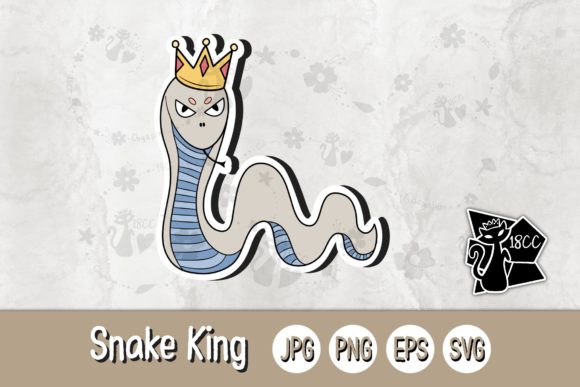
The first impression of the Snake King illustration is undeniably bold. The concept of an "Animal fusion" suggests a creative twist on traditional wildlife imagery, likely blending regal elements with the sinuous form of a serpent. Visually, these types of designs often rely on strong outlines and vibrant color blocking to make an impact. When evaluating this for an embroidery project, my immediate thought goes to how those colors will translate into actual thread. Digital screens emit light, making gradients and neon hues pop effortlessly. Fabric, however, absorbs light. If the original vector relies heavily on subtle shading, we might lose definition unless the digitizer has done an exceptional job converting those areas into appropriate fill stitch or satin stitch patterns.
Visualizing the Finished Product on Apparel
To truly test the viability of this design, I imagined a specific real-life scenario: a custom order for a local streetwear boutique looking for a standout back-piece on a heavyweight cotton sweatshirt. The client wants something edgy but professional. The Snake King with Color SVG PNG EPS JPG fits this mood perfectly. The "King" aspect implies authority and style, which resonates well with current fashion trends favoring mythical or oversized animal motifs.
However, placing this on a sweatshirt introduces challenges regarding fabric texture. Heavy fleece can swallow small details. If the Snake King design includes intricate scales or fine facial features, they need to be large enough to stitch out clearly without becoming a muddy mess. For a project like this, I would recommend sizing the design up significantly. A larger hoop size allows the machine to lay down stitches with better clarity, ensuring that the "fusion" elements of the artwork remain distinct rather than blending together. If the design is intended as a chest logo instead, we would need to scrutinize the smallest lines to ensure they don't disappear into the nap of the fabric.
Beyond apparel, this graphic holds potential for embroidered patch creation. Patches are forgiving because they are often stitched on a stable twill base before being applied to a garment. The bold lines of a Snake King motif would look fantastic with a thick satin border, creating a high-quality handmade product that customers love. For an Etsy seller or small shop owner, offering these as iron-on or sew-on patches could be a lucrative avenue, allowing buyers to customize their own jackets or bags without needing an embroidery machine themselves.
Navigating Technical Challenges and Fabric Choices
While the artistic merit is clear, the technical execution requires careful planning. One major consideration with colorful designs like this is thread colors. The file description mentions "Colors," which implies a multi-hued palette. In embroidery, every color change adds time to the production process and increases the risk of registration errors. If this design uses ten different shades of green to create a gradient effect on the snake's skin, it might be efficient for a single personalized gift, but it could kill your profit margins on a run of fifty commercial embroidery orders. Before quoting a price, I always advise checking the stitch count and color stops. If the file provided is primarily a vector (SVG/EPS) intended for sublimation or printing, you cannot simply load it into an embroidery machine. You must ensure you have a dedicated embroidery file format (like PES, DST, or XXX) that has been properly digitized for stitching.
There are also specific environments where this design should be used with caution. Curved surfaces, such as baseball caps, are notoriously difficult for wide or detailed illustrations. The Snake King's horizontal spread might distort over the front panel of a hat unless the design is specifically resized or re-digitized for cap frames. Similarly, stretchy fabrics like jersey knits used in baby embroidery require a robust stabilizer strategy. Without proper backing, the weight of the dense stitching required for a colorful king snake could cause the fabric to pucker or warp, ruining the finished product.
Dark fabrics present another hurdle. If the Snake King design relies on dark greens or blues, these threads will vanish against a black hoodie. In such cases, you might need to add a layer of white underlay or even consider an applique design approach, where the snake is cut from fabric and stitched down, rather than filled entirely with thread. This not only solves the contrast issue but also adds a tactile dimension that elevates the perceived value of the item.
Maximizing Value for Craft Businesses
For creative entrepreneurs, the versatility of the Snake King with Color SVG PNG EPS JPG package lies in its multi-format nature. While the embroidery aspect is crucial for physical goods, the inclusion of PNG and JPG files allows for immediate use in printable mockup creation. You can showcase what the embroidered item could look like on your website before you even stitch a single thread. This is invaluable for building buyer engagement and trust. Customers want to see the design in context—on a tote bag, a pillow cover, or a tea towel.
Speaking of home goods, this design could shine on tote bag design projects. Canvas bags provide a stable, tight weave that handles detail well. A large Snake King centered on a reusable shopping bag creates a statement piece that feels both artistic and functional. For holiday gifts, imagine this stitched onto a kitchen towel or an apron for a chef who loves reptiles or bold aesthetics. The key here is balancing the density of the stitch with the utility of the item. An apron gets washed frequently, so the stitching must be secure, with trimmed jump stitches and locked ends to prevent unraveling.
Final Designer Notes and Best Practices
Before you dive into production with the Snake King design, treat it like any other critical asset in your craft business. Always test the design on scrap fabric that matches your final material. Check the tension settings on your machine; colorful designs often reveal tension issues faster than monochrome ones because the different thread types may react differently. Inspect the small details closely—are the eyes of the snake clear? Is the crown or regal element defined?
It is also vital to confirm the licensing terms associated with the design assets. Just because a file is available for purchase does not automatically grant unlimited commercial rights. Verify if you can sell the physical embroidered items or if there are restrictions on the number of units. If the package includes vector files for logo creation, ensure your client understands that embroidery has limitations compared to print; fine lines may need to be thickened for successful stitching.
Ultimately, the Snake King with Color SVG PNG EPS JPG offers a compelling visual narrative that, when handled with technical precision, can result in stunning custom apparel and decor. It bridges the gap between digital artistry and tactile craft, provided the maker respects the constraints of the medium. By paying attention to fabric choice, stabilization, and stitch density, you can transform this graphic into a high-value item that stands out in a crowded marketplace.