Little Man, Svg Design: A Pro's Take on Real Embroidery Use
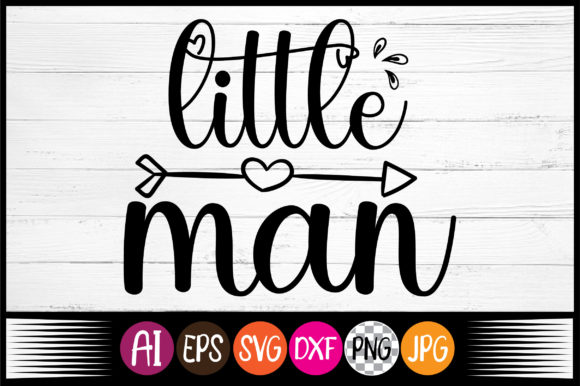
When I first pulled up the Little Man, Svg Design on my screen, my immediate reaction wasn't just about whether it was "cute." As someone who spends hours hooping fabric and trimming jump stitches, I look for structural integrity and visual balance. This design falls squarely into the Crafts and Graphics categories, but for us embroidery enthusiasts, the real question is how those vector lines translate into thread. The mood here is playful yet clean, suggesting a layout that avoids unnecessary complexity while maintaining enough character to stand out on a finished product.
The file package you receive is robust, including high-quality PNG, JPG, DXF, Ai, EPS, and SVG formats. While the SVG and AI files are fantastic for resizing in your digitizing software or creating printable mockups, the core value lies in how the shapes hold up when converted into a machine embroidery design. The silhouette appears solid, which usually indicates good potential for satin stitch borders or dense fill stitch areas without excessive pull.
Putting the Design to Work: A Real-World Scenario
Let's imagine a common request I get from clients: a personalized baby shower gift set. They want a coordinated look for a onesie, a burp cloth, and a tote bag for the mom. This is where Little Man, Svg Design shines. Because the graphic is distinct, it works beautifully as a central focal point on a sweatshirt embroidery project or a tote bag design.
In this scenario, I would likely scale the design down slightly for the baby items to ensure it doesn't overwhelm the small garment. For the tote bag, I might keep it larger to maximize visibility. The simplicity of the shape means it pairs well with various thread colors. If I were aiming for a classic look, I'd use navy blue on white fabric; for something more whimsical, a pastel palette on a natural cotton background works wonders. The design's personality suggests it belongs on items meant to bring a smile, making it an excellent choice for personalized gifts or boutique nursery decor.
Navigating Fabric Choices and Stitching Challenges
However, no design is universally perfect for every surface. When working with Little Man, Svg Design, you need to be mindful of your substrate. If you are planning to stitch this onto a textured fabric like a waffle weave towel or a thick terrycloth bathrobe, the fine details might get lost. In those cases, I recommend using a heavier weight stabilizer—perhaps a cut-away rather than tear-away—to prevent the fabric from puckering under the stitch density.
Another consideration is curved surfaces. If you decide to use this for a cap or a structured hat, ensure the design isn't too wide. Wide designs can distort on the front panel of a cap, leading to registration issues. For baby embroidery on stretchy knits, always use a stabilizer that matches the stretch of the fabric to maintain the shape of the "Little Man" after washing. Dark fabrics present another challenge; if the design relies on negative space or light thread colors, you may need to run an underlay stitch or even create an applique version to ensure the image pops against the background.
Commercial Viability and Brand Consistency
For Etsy sellers and owners of small shop products, consistency is key to building trust. Using a cohesive set of graphics helps establish brand recognition. Little Man, Svg Design offers a level of professionalism that elevates a handmade product from looking like a hobbyist experiment to a retail-ready item. When customers see clean lines and well-executed stitching, their perceived value of the item increases.
This design is particularly effective for commercial embroidery projects where turnaround time matters. Since the shapes appear straightforward, they likely won't require excessive trim times or complex color changes, allowing you to produce batches of custom apparel or holiday gifts more efficiently. Whether you are creating merchandise for a local event or stocking inventory for a craft fair, the versatility of this graphic allows it to fit into multiple product lines without feeling out of place.
Essential Designer Notes Before You Stitch
Before you commit to stitching this on a client's expensive garment, there are a few practical steps you should take. First, always test the design on a scrap piece of the actual fabric you intend to use. This gives you a true sense of how the embroidery file interacts with the material's weave. Check the contrast of your thread choices; sometimes a design looks great on screen but lacks definition once stitched.
Review the stitch density settings in your software. If the design feels too heavy, you might need to adjust the fill percentage to reduce bulk, especially if the final product will be worn next to sensitive skin, like in baby clothes. Also, confirm the hoop size required. While the SVG file is scalable, the digitized embroidery version will have a maximum size limit based on the original stitch count. Ensure your hoop can accommodate the dimensions you need.
It is also wise to inspect small details. Are there tiny elements that might not stitch out clearly at smaller sizes? If so, consider simplifying those areas or omitting them for miniature versions. Testing the design in black and white mockups can also reveal if the contrast is sufficient for readability. Finally, always double-check the licensing terms provided with the download. While the file includes formats suitable for both personal and commercial use, confirming that you have the right to sell finished items or digital derivatives is crucial for protecting your craft business.
In conclusion, Little Man, Svg Design is a versatile asset that bridges the gap between digital graphics and tangible textile art. With its clean lines and adaptable theme, it serves as a reliable foundation for everything from holiday embroidery projects to everyday boutique wear. By paying attention to fabric selection, stabilizer choice, and proper testing, you can ensure that every stitched instance of this design enhances the quality and appeal of your finished products.