One in a Melon, Svg Design: A Designer's Field Test
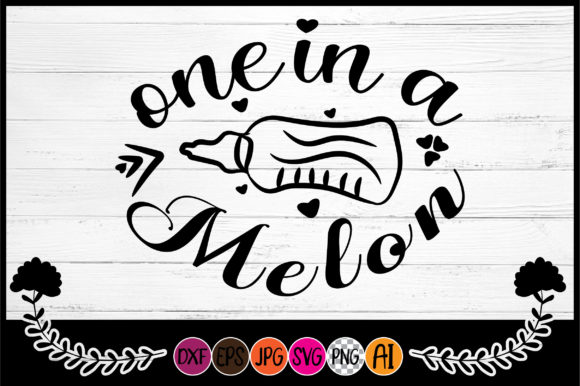
When I first pulled up the One in a Melon, Svg Design on my screen, my immediate reaction was one of playful relief. In a market saturated with overly complex, dense patterns that demand hours of trimming and perfect tension, this design offers a breath of fresh air. As someone who spends more time at the hoop than away from it, I look for files that balance aesthetic charm with technical reliability. This piece, categorized broadly under Crafts and Graphics, initially presents as a digital asset, but its true potential lies in how it translates from vector lines to actual thread on fabric.
First Impressions and Visual Personality
The visual personality of the One in a Melon, Svg Design is undeniably cheerful. It carries a summer vibe that feels appropriate for everything from nursery decor to boutique apparel. The layout is clean, avoiding the clutter that often plagues pun-based designs. When evaluating a new machine embroidery design, I always check the flow of the shapes. Here, the curves appear smooth, which suggests that if digitized correctly for embroidery, the satin stitches should lay flat without excessive puckering. The theme is lighthearted, making it an instant candidate for personalized gifts where the recipient needs a smile rather than a formal statement.
What stands out most is the versatility of the composition. It doesn't scream for attention with neon colors or aggressive detailing; instead, it invites customization. Whether you are envisioning a subtle chest logo on a linen shirt or a bold back print on a canvas tote, the design holds its own. It feels like a modern classic in the making, suitable for both the hobbyist looking to spruce up a kitchen towel and the professional Etsy seller building a cohesive summer collection.
Real-World Application: The Summer Tote Scenario
To truly understand the value of this file, I imagined a specific real-life scenario: preparing a custom order for a local farmer's market. The client wanted a series of reusable grocery bags featuring fun, food-related puns. The One in a Melon, Svg Design was the obvious choice for the produce bag.
In this context, the design performs exceptionally well. Because the shapes are distinct, they translate beautifully into an applique design or a standard fill stitch pattern. If I were stitching this onto a natural cotton tote, I would likely use a bright green for the rind and a vibrant pink or red for the interior, ensuring high contrast against the beige fabric. The simplicity of the graphic means it scales well; it looks just as good at four inches wide as it does at eight. For a small shop product, this scalability is crucial because it allows me to offer different size options without needing to purchase multiple file versions.
Furthermore, the "cute" factor here drives buyer engagement. Customers browsing a craft fair table are drawn to items that feel handmade yet professional. A sweatshirt featuring this design becomes an instant conversation starter. It signals that the maker has a sense of humor and an eye for trendy, seasonal motifs. For commercial embroidery projects, this kind of relatable imagery often outsells generic floral patterns because it connects emotionally with the buyer.
Technical Considerations for Stitching
While the visual appeal is strong, a responsible designer must look beyond the preview image. Before committing to a final embroidery project, there are several technical factors to consider with the One in a Melon, Svg Design. Since the source files include formats like SVG, DXF, and AI, this indicates the product is primarily a vector graphic intended for cutting machines or further digitization. If you plan to use this directly in an embroidery machine, you must ensure you have the corresponding embroidery file formats (like PES, DST, or XXX) or be prepared to digitize the vector yourself.
If you are using a pre-digitized version or converting the SVG, pay close attention to stitch density. Watermelon designs often involve large areas of color. If the fill stitch is too dense, it can cause the fabric to pucker, especially on stretchy materials like t-shirts or baby clothes. Conversely, if the density is too low, the backing fabric might show through, ruining the finished product's appearance. I always recommend testing the design on scrap fabric first. Check how the thread behaves on both woven and knit fabrics.
Another critical area is the detail level. Does the design include tiny seeds or intricate rind textures? On small hoop sizes or textured fabrics like Terry cloth, these minute details can get lost or cause thread breaks. For a baby embroidery project, such as a onesie, you might need to simplify the design by removing the smallest seed elements to ensure durability through multiple washes. Always inspect small details before running a full production batch.
Fabric Choices and Placement Strategy
The success of the One in a Melon, Svg Design heavily depends on your material selection. On dark fabrics, you will need to be strategic with your thread colors. A standard pink might look muddy on navy blue; opting for a hotter pink or adding a white underlay can make the design pop. For curved surfaces like caps, the horizontal width of the watermelon slice needs to be checked against the cap's front panel limits. A design that is too wide will distort around the curve, looking unprofessional.
Stabilizer choice is non-negotiable. For a tote bag design made of heavy canvas, a cut-away stabilizer provides the necessary support to keep the stitches crisp. However, for a lightweight summer dress, a tear-away or wash-away stabilizer might be preferable to maintain the garment's drape. Never skip the stabilizer, even if the fabric feels sturdy; it is the backbone of any quality handmade product.
Enhancing Brand Value and Professionalism
Using high-quality assets like the One in a Melon, Svg Design directly impacts your brand consistency. When customers receive a personalized gift that looks polished and well-executed, their trust in your business grows. This design allows for creative variations—perhaps adding a monogram inside the melon slice or pairing it with complementary text for a holiday embroidery theme. These small touches elevate a simple graphic into a premium custom apparel item.
For digital product sellers, this asset is also gold for creating printable mockups. The clean lines of the SVG make it easy to place on virtual products for listings, giving potential buyers a clear idea of the final look. However, remember that a pretty mockup must match the reality of the stitched item. Ensuring the physical embroidered patch or garment matches the digital promise is key to maintaining a good reputation as an Etsy seller or boutique owner.
Final Verdict and Best Practices
In conclusion, the One in a Melon, Svg Design is a versatile and charming addition to any designer's library. Its strength lies in its adaptability across various mediums, from sweatshirt embroidery to home decor. However, its effectiveness relies on the user's attention to technical details.
Before launching into a commercial run, adhere to these practical notes:
- Always test the design on scrap fabric similar to your final material.
- Check thread color contrast, especially on dark or patterned backgrounds.
- Review stitch density to prevent puckering on knits.
- Confirm the hoop size required to ensure the design fits your machine's capabilities.
- Inspect tiny lettering or detailed corners for clarity after stitching.
- Test the design in black and white mockups to verify shape integrity.
- Use the proper stabilizer for the specific fabric texture.
- Verify licensing terms to confirm whether the file allows for commercial sale of finished items or digital derivatives.
By approaching the One in a Melon, Svg Design with a critical eye and a steady hand, you can transform a simple graphic into a standout piece that delights customers and enhances your portfolio. It is a reminder that in the world of crafts, the best results come from combining creative vision with meticulous execution.