Review: Pink Doodle Hearts SVG for Real Embroidery Use
As a designer who spends more time staring at stitch simulations than most people care to admit, I approach new Graphics assets with a specific set of criteria. It is not just about whether an image looks cute on a screen; it is about how that image translates into thread, tension, and texture. Recently, I evaluated the Pink Doodle Hearts Svg Files for Cricut collection, specifically looking at its potential beyond simple vinyl cutting. While marketed heavily toward digital crafters and sublimation users, my goal was to determine if these playful vectors could hold their own as a foundation for a professional machine embroidery design.
The Aesthetic Vibe and First Impressions
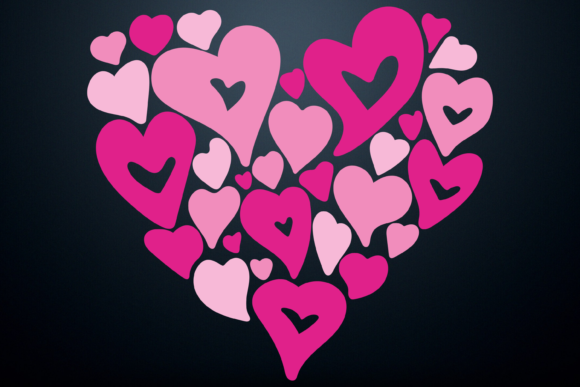
The moment you open the files, the mood is unmistakable. These are not rigid, geometric hearts; they possess a hand-drawn, whimsical quality that screams "handmade." The line work varies slightly in thickness, mimicking the natural flow of a marker or pen. For an embroiderer, this is a double-edged sword. On one hand, that organic imperfection adds immense charm to a handmade product. On the other hand, converting a doodle-style vector into stitches requires careful digitizing to ensure the "wobble" doesn't look like a machine error.
The color palette, naturally leaning into various shades of pink, suggests immediate applications for Valentine's Day, baby showers, or boutique spring collections. However, the true test lies in the layout. The designs often feature overlapping elements and the classic "XOXO" typography intertwined with the heart shapes. In a digital embroidery file, managing these overlaps is critical to prevent thread buildup, which can distort the final look.
Real-World Application: The Boutique Tote Bag Scenario
To truly gauge the viability of these assets, I envisioned a specific project: a custom order for a local boutique needing a run of canvas tote bag design samples for a Valentine's market. The client wanted something that felt personal and artisanal, not mass-produced. Using the Pink Doodle Hearts Svg Files for Cricut as a reference template, I simulated how this would translate to a 5x7 hoop.
The result was promising. The doodle aesthetic pairs perfectly with the textured surface of canvas or heavy cotton twill. Unlike hyper-realistic portraits that demand thousands of stitches, this style thrives on simplicity. If digitized correctly using a mix of running stitch for the outlines and light fill stitch for the interiors, the design maintains its sketch-like integrity. For a small shop product, this approach keeps production time low while maximizing visual appeal. Customers interacting with the finished product are likely to appreciate the tactile nature of the stitching, which elevates the perceived value far beyond a printed graphic.
Versatility Across Different Substrates
While the tote bag was a success, versatility is key for any craft business. How does this design fare on other materials?
- Sweatshirt Embroidery: On fleece or French terry, the doodle lines need to be thick enough not to get lost in the fabric nap. A satin stitch border might be too rigid; a textured fill would better match the cozy vibe of a sweatshirt embroidery project.
- Baby Embroidery: For onesies or bibs, the softness of the design is a major plus. However, stitch density must be kept low to ensure the garment remains soft against sensitive skin. The "XOXO" element makes it an ideal personalized gift for new parents.
- Curved Surfaces: Applying this to a cap is risky. The curvature of the front panel can distort the horizontal spread of the hearts. If attempting this, the design should be simplified, perhaps isolating a single heart rather than the full cluster.
- Printable Mockups: Even if you do not stitch it immediately, these files serve as excellent design assets for creating printable mockup previews for Etsy listings, allowing sellers to visualize the concept before committing to thread.
Technical Considerations and Potential Pitfalls
It is important to remember that the source files are SVGs intended for cutting and printing, not native embroidery formats. This distinction is vital. You cannot simply load an SVG into your embroidery machine. A professional digitizer must trace these vectors and assign stitch types manually. Here is where attention to detail separates a hobbyist from a pro.
Stitch Density and Fabric Texture: The doodle lines are thin. If you attempt to render them with a standard satin stitch on a stretchy fabric like jersey, the threads may pull apart or cause puckering. Using a high-quality stabilizer is non-negotiable here. For dark fabrics, you must plan your underlay carefully to prevent the pink threads from sinking into the background, which would kill the contrast.
Small Details and Hoop Size: Some variations in the pack include tiny decorative dots or very small lettering. In embroidery, anything smaller than 4mm can become illegible depending on the thread weight. Before committing to a large batch of commercial embroidery, always test the design on scrap fabric identical to your final material. Check if the tiny corners of the hearts turn out crisp or if they bunch up.
Licensing and Commercial Use: Since these are sold as instant digital downloads within the Crafts category, you must verify the license terms regarding commercial use. Most creators allow you to sell physical items (like embroidered shirts) but prohibit reselling the digital file itself. As an Etsy seller, ensuring you have the right to use these graphics for custom apparel or holiday embroidery products protects your shop from copyright strikes.
Final Verdict for Designers
The Pink Doodle Hearts Svg Files for Cricut offer a strong foundation for creative entrepreneurs looking to add a touch of whimsy to their lineup. They excel in contexts where a hand-drawn, imperfect look is desirable, such as nursery decor, embroidered patch creations, or seasonal gifts. However, they require a skilled hand in the digitizing phase to translate those smooth vector curves into efficient, durable stitches.
If you are willing to invest the time in proper digitization—adjusting thread colors for contrast, selecting the right hoop size, and testing on various fabric texture profiles—these graphics can transform into high-value applique design elements or standalone motifs. They are not a plug-and-play solution for embroidery machines, but for the designer who understands the medium, they are a versatile tool for creating engaging, marketable goods that resonate with buyers looking for something sweet and sincere.