Reviewing Karma Hamsa SVG Files for Cricut Projects
As a designer who spends half my life digitizing patterns and the other half stitching them out, I have learned to look past the glossy preview images. When I first opened the Karma Hamsa Svg Files for Cricut, my immediate reaction was not just about the aesthetic, but about the structural integrity of the design when translated from a vector line to a physical stitch. The boho-hippie vibe is undeniable, carrying a playful yet spiritual weight that resonates with current trends in handmade goods. However, for those of us running a craft business or creating personalized gifts, the real question is always: how does this actually behave under the needle?
First Impressions and Visual Personality
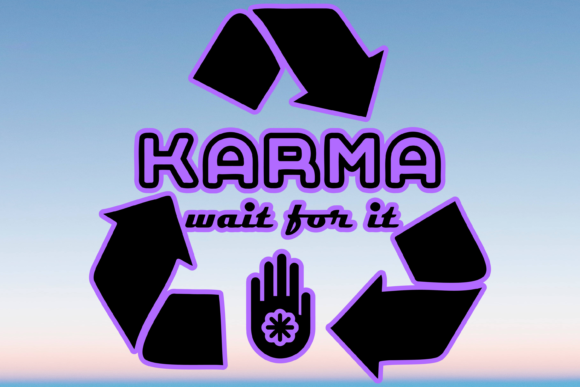
The layout of this design strikes a balance between intricate detail and bold simplicity. The Hamsa hand, often associated with protection and good fortune, is rendered here with a whimsical twist that fits perfectly into the "funny SVG" category mentioned in the product description. From a graphics standpoint, the lines are clean, which is crucial. In embroidery, messy vectors lead to messy stitches. The visual personality suggests a relaxed, carefree mood, making it an ideal candidate for items that are meant to feel personal and approachable rather than stiff or corporate.
When evaluating this as a potential machine embroidery design asset, I look for closed shapes and consistent line weights. While these files are marketed primarily for cutting machines like Cricut, their utility extends into the embroidery world if handled correctly. The distinct sections of the design allow for creative color blocking. Imagine using contrasting thread colors to highlight the eye within the palm or the decorative elements surrounding the hand. This level of customization is what turns a standard embroidery project into a unique handmade product.
Real-World Application: The Custom Tote Bag Scenario
To truly test the viability of these files, I mentally placed them on a canvas tote bag, a staple for any Etsy seller or boutique owner. Canvas has a distinct fabric texture that can swallow up fine details if the design is too delicate. Fortunately, the bold nature of the Karma Hamsa design holds up well against the weave of heavy cotton. I envisioned using a fill stitch for the main body of the hand to create a solid, impactful look, while employing a satin stitch for the border to give it a polished, professional edge.
This application is not limited to totes. The design translates beautifully to sweatshirt embroidery, where the softness of the fleece complements the spiritual, comforting message of the Hamsa. For a personalized gift, such as a baby blanket or nursery decor, the whimsical aspect of the design adds a touch of warmth without being overly juvenile. It bridges the gap between adult bohemian style and child-friendly imagery, making it a versatile asset for a small shop product line.
Navigating Fabric and Hoop Constraints
While the design is robust, there are areas where caution is necessary. If you are working with a small hoop size, you must ensure that the intricate parts of the Hamsa do not become lost. Tiny details can easily turn into a tangled mess of thread if the stitch density is too high for the scale. I always recommend testing the design on scrap fabric first, especially if you are working with stretchy materials like jersey knits for t-shirts. Without proper stabilizer, the fabric may pucker, distorting the shape of the hand and ruining the visual appeal.
For curved surfaces like caps or hats, the design needs to be simplified. The flat, two-dimensional nature of the SVG might not translate well to the complex curves of a baseball cap unless you adjust the digitizing parameters significantly. In such cases, consider using the design as an applique design, where you cut the shape from fabric and stitch around the edges. This reduces bulk and ensures the design lays flat, maintaining its clarity and impact.
Commercial Viability and Brand Consistency
For commercial embroidery projects, consistency is key. Using a reliable digital embroidery file ensures that every item you produce looks identical, building trust with your customers. The Karma Hamsa design, with its clear lines and recognizable symbolism, supports brand consistency. Whether you are selling embroidered patches at a craft fair or listing custom apparel online, the design’s strong visual identity helps your products stand out.
Moreover, the versatility of the file formats allows for cross-promotion. You can use the same design for sublimation printing on mugs or shirts, creating a cohesive collection of design assets. This multi-use capability increases the value of the purchase, allowing you to maximize your return on investment. A printable mockup created from these files can also serve as an effective marketing tool, showing potential buyers how the design looks on various products before they even make a purchase.
Practical Designer Notes for Best Results
- Test on Scrap Fabric: Always run a test stitch-out to check for tension issues and thread breaks.
- Check Thread Contrast: Ensure your thread colors contrast sufficiently with the fabric to maintain design clarity.
- Review Stitch Density: Adjust density based on fabric type to prevent puckering or excessive bulk.
- Confirm Hoop Size: Make sure the design fits comfortably within your hoop, leaving room for stabilization.
- Inspect Small Details: Zoom in on the digital file to identify any tiny elements that may need simplification.
- Use Proper Stabilizer: Choose the right stabilizer for your fabric to support the stitches and prevent distortion.
- Verify Licensing: Before selling finished items, confirm the licensing terms for commercial use provided with the download.
In conclusion, the Karma Hamsa Svg Files for Cricut offer more than just a cute graphic; they provide a foundation for meaningful, marketable creations. By understanding the nuances of how this design interacts with different fabrics and stitching techniques, you can elevate your Crafts and Graphics portfolio. Whether you are a hobbyist looking to add a personal touch to a holiday gift or a seasoned professional expanding your craft business, this design holds promise. Just remember to respect the technical requirements of embroidery, and the results will speak for themselves.