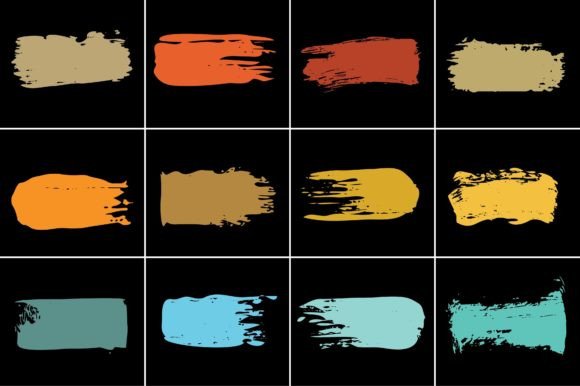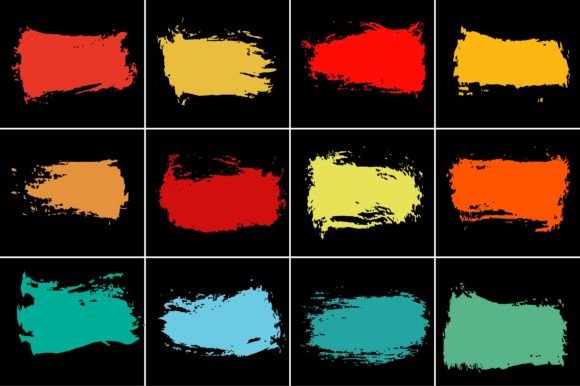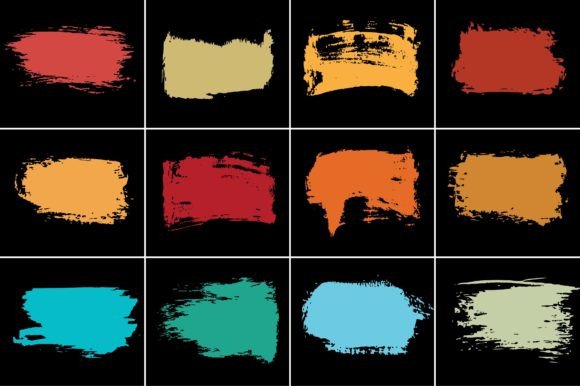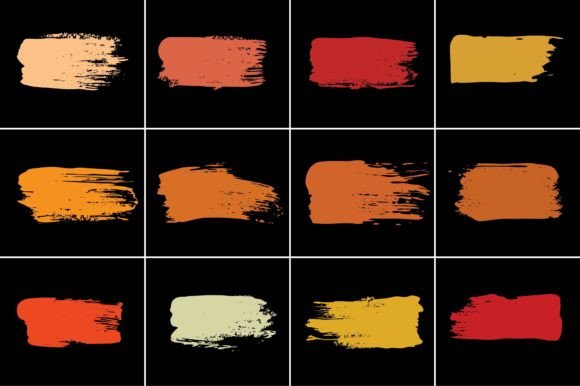
Reviewing Paint Brush Stroke Texture for Embroidery
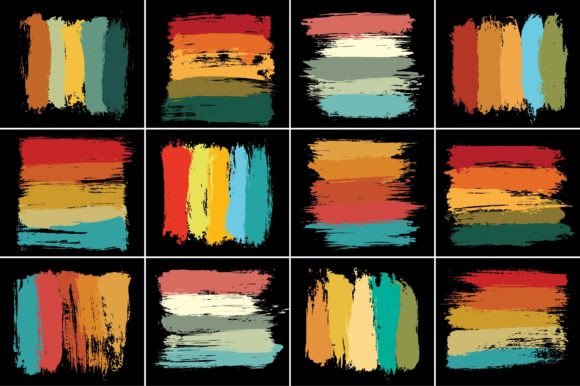
As a designer who spends half my life staring at digitized files and the other half watching needles punch through fabric, I have learned that not every graphic translates well to thread. We often get swept up in the visual appeal of a digital asset, forgetting that embroidery is a tactile medium with physical limitations. Recently, I evaluated Paint Brush Stroke Texture, a set of ink-style graphics intended for t-shirt designs and other paintable decorations. My goal was to determine if this asset holds up when moved from the screen to the sewing machine, specifically for real-world craft business applications.
The Aesthetic First Impression
The immediate vibe of Paint Brush Stroke Texture is organic and raw. In the world of Graphics and digital design, we see thousands of brush strokes, but many feel too perfect or vector-sharp. These files, described as ink paint brush stroke backgrounds, carry a sense of movement and imperfection that mimics hand-painted art. For an embroidery designer, this is a double-edged sword. The irregular edges create visual interest, but they also pose a challenge for stitch generation. If you are looking to add a touch of artistic flair to a handmade product, this aesthetic fits perfectly into the current trend of minimalist, artsy apparel. It feels less like a corporate logo and more like a personal signature, which is exactly what customers look for in personalized gifts.
Real-World Application: The Custom Tote Bag Scenario
To test the viability of these assets, I imagined a specific project: a custom embroidered tote bag for a local bookstore. The client wanted something that looked like a quick sketch or an ink blot, rather than a rigid, printed logo. Using the Paint Brush Stroke Texture as a base, I considered how the ink style would translate into a machine embroidery design.
For a tote bag, which is typically made of sturdy canvas or cotton, the fabric texture can support a moderate stitch density. The brush stroke’s varying thickness allows for a mix of satin stitch on the narrower ends and fill stitch on the broader bodies of the stroke. This variation prevents the design from looking like a solid block of thread, maintaining that "painted" illusion. However, the success of this embroidery project relies heavily on thread choice. A matte cotton thread would enhance the ink-like appearance, whereas a shiny rayon might make it look too plastic and detract from the organic feel.
Navigating Technical Challenges in Stitching
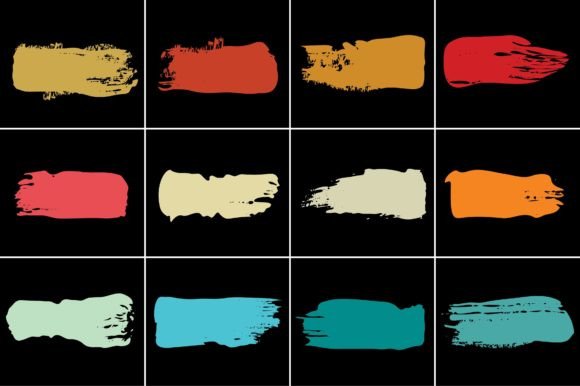
While the visual concept is strong, practical execution requires caution. The product description notes that the file package includes 12 PNG files at 300 DPI and one EPS file. It is crucial to understand that PNGs and EPS files are design assets for printing or digital use, not native embroidery files like PES or DST. You cannot load a PNG directly into most embroidery machines. You must use digitizing software to convert these graphics into stitch data.
This conversion process is where the magic—and the potential pitfalls—lie. When digitizing a brush stroke, you must pay close attention to stitch density. If the density is too high on a thin fabric, the material will pucker, ruining the finished product. If it is too low, the fabric underneath will show through, breaking the illusion of a solid ink stroke. I recommend using a cut-away stabilizer for garments that will be washed frequently, such as t-shirts and sweatshirts, to maintain shape integrity over time.
Considerations for Different Garments
- Sweatshirt Embroidery: The plush surface of a sweatshirt can hide minor stitching imperfections, making it a forgiving canvas for textured brush strokes. However, ensure your underlay stitches are sufficient to prevent the design from sinking into the fleece.
- Cap and Hat Embroidery: Curved surfaces are tricky. A long, sweeping brush stroke might distort on the front panel of a cap. Break the design into smaller segments or simplify the path to avoid excessive pulling on the fabric.
- Baby Embroidery: For baby clothes, comfort is paramount. Avoid dense fill stitches that create a stiff, scratchy patch on soft skin. Consider using a lighter weight thread and reducing the overall stitch count.
- Embroidered Patch Creation: If you plan to make patches, the brush stroke style works beautifully with a satin stitch border. This defines the irregular edges clearly and gives the patch a professional, boutique finish.
Commercial Viability for Etsy Sellers and Makers
For Etsy sellers and small shop owners, the versatility of Paint Brush Stroke Texture is a significant asset. In the realm of Crafts, standing out is difficult. These graphics allow you to create unique custom apparel that doesn't look mass-produced. Whether you are creating holiday embroidery for seasonal gifts or everyday wear, the artistic nature of the brush strokes adds perceived value.
However, transparency with customers is key. Since you are converting digital graphics into embroidery, always provide clear mockups. Use the included transparent PNGs to create printable mockup images that show how the design looks on different colored fabrics. This helps manage customer expectations regarding how the ink effect translates to thread. Remember, thread has sheen and texture; it does not look exactly like flat ink. Highlighting this distinction builds trust and reduces return rates.
Practical Designer Notes for Best Results
Before you commit to stitching a full production run, follow these practical steps to ensure quality:
- Test on Scrap Fabric: Always stitch a sample on the same type of fabric you intend to use for the final product. Check for puckering, thread breaks, and color accuracy.
- Check Thread Color Contrast: Ink strokes often rely on contrast. Ensure your thread color stands out against the fabric. Dark threads on dark fabrics may get lost unless you use metallic or variegated threads to add dimension.
- Review Hoop Size: Confirm that your hoop size accommodates the largest brush stroke in the set. If the design is larger than your hoop, you will need to use a multi-position technique, which requires precise alignment to avoid visible seams.
- Inspect Small Details: Thin tails of brush strokes can be problematic. They may require very fine satin stitches or even running stitches. Ensure your machine can handle the fine detail without shredding the thread.
- Verify Licensing: The product description mentions commercial use for t-shirt designs, but always double-check the specific license terms provided by the creator. Ensure you are compliant when selling commercial embroidery items or digital products derived from these assets.
Final Verdict on Design Utility
Paint Brush Stroke Texture is a compelling resource for designers who understand the bridge between digital art and textile craft. It is not a plug-and-play solution for beginners who expect to drag and drop a PNG into a machine. Rather, it is a high-quality starting point for those willing to invest time in proper digitizing. When handled with care regarding stitch density, stabilizer choice, and thread selection, these graphics can elevate a simple tote bag design or sweatshirt embroidery into a standout piece of wearable art. For the serious maker, this tool offers the flexibility to create bespoke, high-value items that resonate with customers seeking authenticity in their handmade goods.