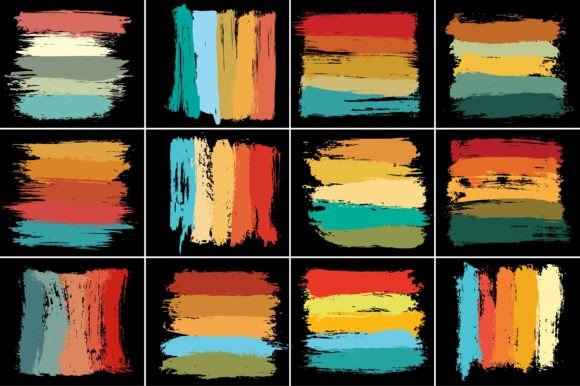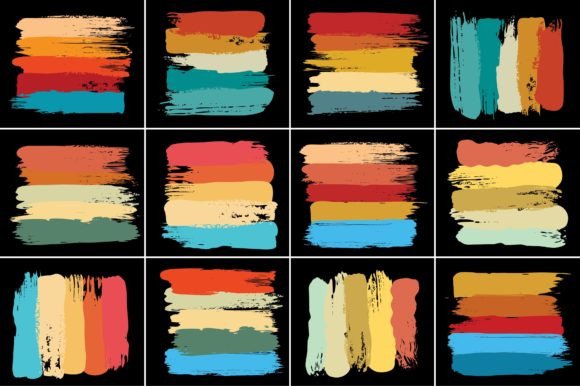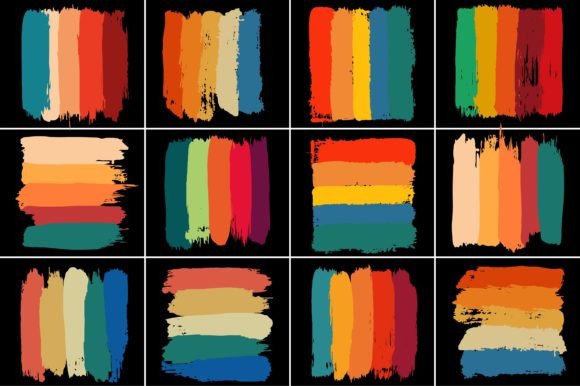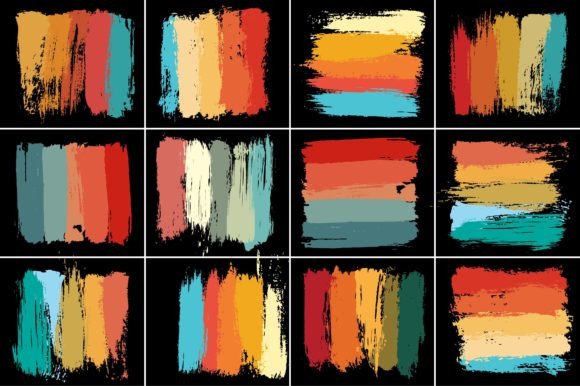
Vintage Retro Ink Paint Brush Stroke: A Designer's Review
As a designer who spends more time staring at stitch maps than most people care to admit, I approach new design assets with a healthy dose of skepticism. We have all downloaded a file that looked stunning on the screen but turned into a bird's nest of thread breaks and puckering on the hoop. That is why I took a close look at the Vintage Retro Ink Paint Brush Stroke before committing it to any client work. This isn't just about whether it looks cool; it is about whether it survives the reality of the machine.
The first impression of this graphic is undeniably strong. It captures that raw, organic energy of traditional ink painting, which is a massive trend right now in boutique branding and custom apparel. The shapes are fluid and asymmetrical, avoiding the rigid, computer-generated feel that plagues so many digital files. For an embroidery project, this "imperfect" aesthetic is actually a blessing. It means the design doesn't demand pixel-perfect registration, giving you a little breathing room when dealing with fabric texture and stretch.
Translating Digital Ink into Thread
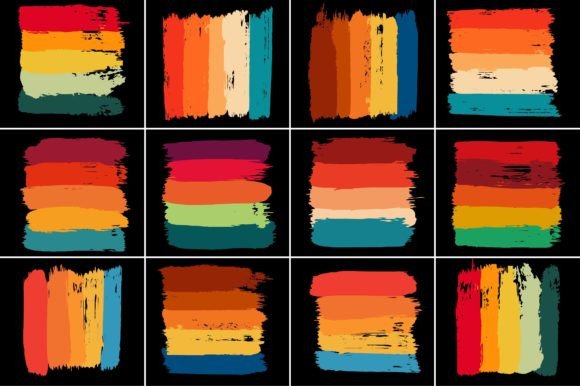
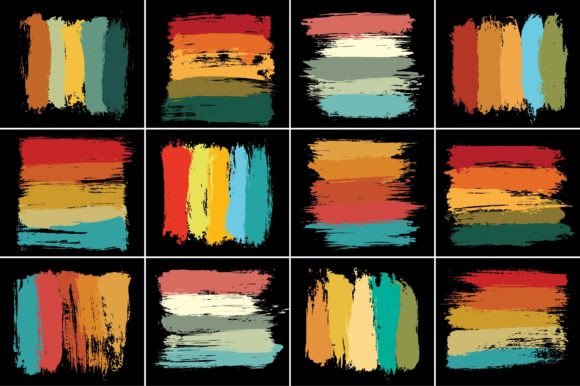
The product description notes that the file included is a set of 12 PNG files at 300 DPI and one EPS file. As an embroidery professional, I need to be clear about what this means for your workflow. These are graphics, not pre-digitized machine embroidery design files like PES or DST. You cannot load these directly into your machine. Instead, this package serves as the perfect foundation for creating your own digitization or for use in printable mockups and heat transfer applications.
If you are an Etsy seller or run a small shop product line, having the high-resolution PNGs is invaluable for creating those clean, professional listings before you even stitch a single thread. You can place the Vintage Retro Ink Paint Brush Stroke onto a digital mockup of a tote bag or sweatshirt to gauge customer interest. However, if your goal is to stitch this out, you will need to use these graphics as a reference for digitizing software or hire a digitizer to convert that ink flow into satin stitch, fill stitch, or running stitch commands.
When imagining how this translates to thread, the broad strokes suggest areas where a lighter stitch density would work beautifully. Heavy fill stitches can make fabric stiff, losing that airy, painted vibe. A skilled digitizer could use long running stitches or a sparse fill to mimic the transparency of ink, preserving the soft hand-feel that customers love in a handmade product.
Real-World Application: The Custom Tote Scenario
Let's walk through a real-life scenario. Imagine a client wants a series of eco-friendly tote bags for a local art market. They want something that feels artistic but not overly fussy. The Vintage Retro Ink Paint Brush Stroke is ideal here. Because the design is abstract, it works well on canvas or heavy cotton, which are common materials for tote bag design.
In this situation, I would recommend using the graphic to create a large back-panel embroidery. The organic curves of the brush stroke would contrast nicely against the structured weave of the canvas. Since the design is available in multiple variations (12 PNG files), you could offer the client different colorways without needing to redesign the entire layout. Perhaps a deep indigo stroke on natural canvas, or a terracotta hue on a black bag. This flexibility boosts the perceived value of your custom apparel or accessory line.
Another strong contender for this design is sweatshirt embroidery. French terry and fleece can be tricky with dense designs, but because this graphic relies on shape rather than intricate detail, it allows for a more open stitch structure. A vintage-style brush stroke across the chest of a crewneck creates an instant streetwear aesthetic that appeals to younger demographics. It feels less like a corporate logo and more like a piece of wearable art.
Navigating Fabric Challenges and Limitations
While the aesthetic is versatile, we must discuss where caution is required. The fluid nature of ink strokes often includes tapering ends and sharp, flicked corners. When translating this to an embroidery file, these fine points can be problematic. On stretchy fabrics like jersey knits used for baby embroidery or fitted tees, those sharp tips might pull or distort if the stabilizer isn't robust enough.
I always advise testing on scrap fabric first. If you are digitizing this yourself, pay close attention to the underlay. A proper underlay stitch will anchor the design and prevent the fabric from puckering, which is crucial for maintaining the clean lines of the brush stroke. Also, consider the hoop size. Some of the broader strokes in the collection might require a larger hoop to capture the full sweep of the design without chopping off the edges. Always check the dimensions of the specific PNG you intend to use against your machine's maximum hoop capacity.
Dark fabrics present another consideration. The transparency effect of ink is hard to replicate with thread unless you use specialized techniques or leave negative space. If you are stitching on a black hoodie, a solid black thread brush stroke might disappear. In such cases, you might need to adjust the design to use a contrasting thread color or incorporate a white underbase, though that changes the vintage feel. This is where reviewing the design in black and white mockups helps visualize the contrast before you commit to the hoop.
Commercial Value and Brand Consistency
For creative entrepreneurs, consistency is key to building trust. Using a cohesive set of graphics like the Vintage Retro Ink Paint Brush Stroke across your product line—from patches to pillow covers—creates a recognizable brand identity. An embroidered patch featuring one of these strokes could serve as a signature label for your goods, adding a touch of professionalism that generic tags lack.
Furthermore, the "vintage" aspect of the design taps into the current nostalgia market. Whether it is for holiday embroidery gifts or year-round boutique items, the retro vibe resonates with buyers looking for something unique. However, remember that since these are graphics, you are responsible for the final digitization quality. A poorly digitized version of a beautiful graphic will still result in a poor finished product. Your reputation rests on the stitch quality, not just the source image.
Final Verdict and Practical Notes
The Vintage Retro Ink Paint Brush Stroke collection is a potent tool for designers who understand how to bridge the gap between digital art and textile execution. It offers high visual appeal and great flexibility for various craft business ventures. However, it requires a thoughtful approach to production.
- Check Licensing: Before selling finished items or digital products derived from these files, confirm the specific license terms provided by the creator. Commercial use rights vary.
- Thread Selection: Use matte threads like cotton or rayon to enhance the vintage ink look; shiny polyester might feel too modern for this aesthetic.
- Stabilizer Choice: Match your stabilizer to the fabric weight. Cut-away stabilizers are often safer for garments that will be washed frequently to prevent distortion of the brush stroke edges.
- Digitizing Strategy: If converting to an embroidery file, avoid over-saturating the design with stitches. Let the fabric show through to mimic the paper texture of ink painting.
In conclusion, this graphic set is not a magic button, but it is a high-quality ingredient. Used with skill and attention to detail, it can elevate your personalized gift offerings and help your small shop stand out in a crowded marketplace. Just remember to respect the medium: what looks good in pixels needs careful planning to look good in thread.