Ink Paint Brush Stroke Texture: A Designer's Review
As someone who spends most of their day staring at screens and managing thread palettes, I am always on the lookout for design assets that bridge the gap between digital artistry and physical texture. When I first encountered the Ink Paint Brush Stroke Texture, my initial reaction wasn't just about whether it looked good on a monitor; it was about how those fluid, organic lines would translate into an embroidery project. This isn't just another generic graphic; it carries a specific mood—raw, artistic, and slightly imperfect in a way that feels incredibly human. For embroidery designers and small business owners, finding a motif that retains its character after being converted into stitches is the holy grail.
The Visual Personality and First Impressions
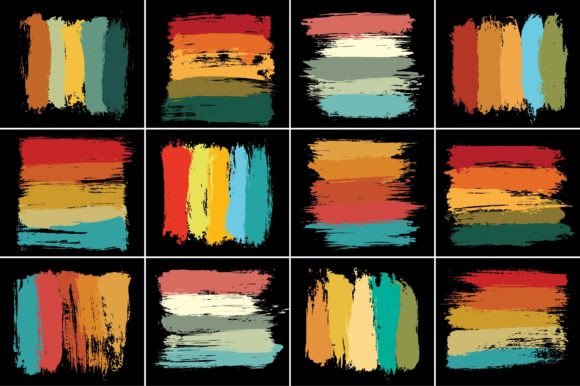
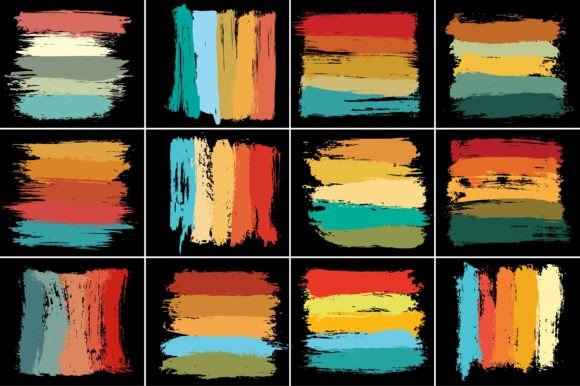
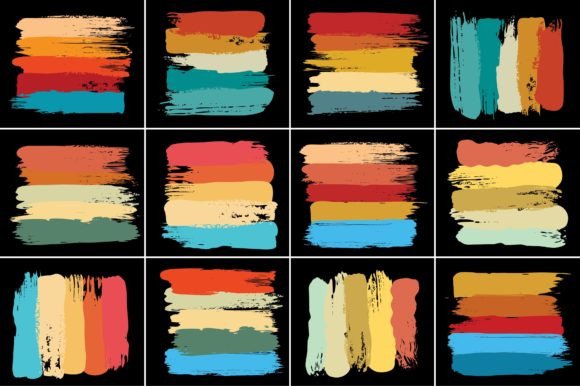
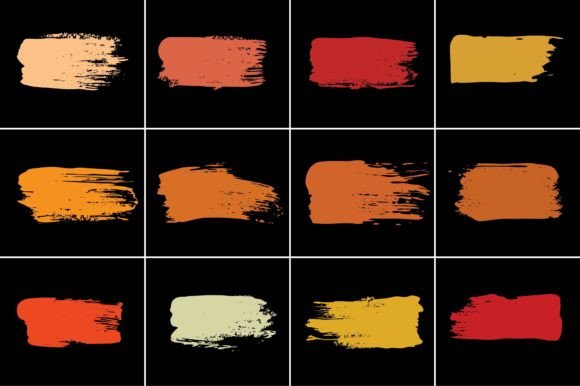
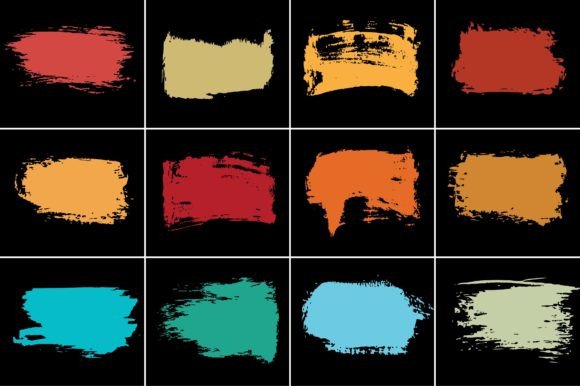
The Ink Paint Brush Stroke Texture immediately stands out because of its dynamic flow. Unlike rigid geometric patterns or standard vector shapes, these brush strokes mimic the natural pressure and release of a hand-held brush. In the context of Crafts and Graphics, this kind of visual personality is gold. It suggests movement and creativity. When evaluating this for real-world use, I look at the layout and detail level. The strokes vary in thickness, offering a nice rhythm that prevents the design from looking flat.
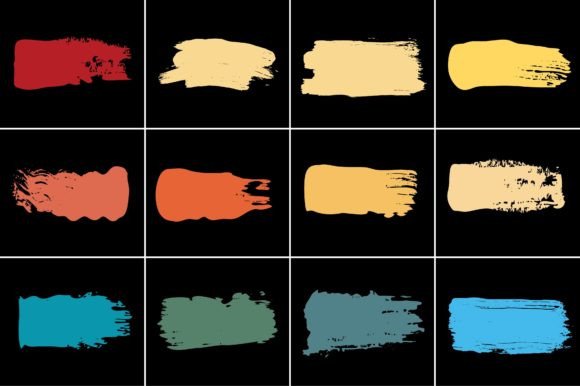
For an Etsy seller or a boutique owner, this aesthetic fits perfectly with current trends favoring handmade, artisanal vibes. It doesn't scream "mass-produced." Instead, it whispers "custom-made." Whether you are digitizing this yourself or using it as a backdrop for other elements, the organic nature of the ink style provides a fantastic foundation for a handmade product that feels elevated. The transparency included in the 12 PNG files (300 DPI) is a significant plus, allowing for easy layering in mockups without those annoying white boxes ruining your presentation.
Real-World Application: The Custom Tote Bag Scenario
To truly test the viability of any design asset, I like to run a mental simulation of a specific client order. Let's say a customer approaches your craft business requesting a custom tote bag for a local art market. They want something that looks like a painter's studio essential. This is where the Ink Paint Brush Stroke Texture shines. Imagine placing these sweeping black or deep indigo strokes across a natural canvas tote.
In this scenario, the design acts as a powerful background or a standalone statement piece. Because the source files include high-resolution PNGs and an EPS file, you have the flexibility to manipulate the scale before digitizing. If you were to stitch this as a fill stitch with a slight texture overlay, it could mimic the actual feel of ink soaking into fabric. The result would be a finished product that customers instinctively want to touch. It adds perceived value, transforming a simple bag into a piece of wearable art. For commercial embroidery, this kind of visual appeal directly influences buyer engagement and trust.
Navigating Fabric and Stitching Challenges
However, enthusiasm must be tempered with technical reality. While the Ink Paint Brush Stroke Texture is visually stunning, applying it to embroidery requires careful consideration of fabric texture and stitch density. Organic, flowing lines can sometimes get lost if the fabric is too textured or if the stitch count is too low.
If you are working on a sweatshirt embroidery project, the fleece surface might swallow up the finer details of the brush strokes. In this case, you might need to adjust your digitizing strategy, perhaps opting for a denser satin stitch outline or a tighter fill to ensure clarity. Conversely, on a smooth cotton twill or a crisp poplin, the design will likely render with much higher fidelity.
There are also limitations to consider regarding hoop size and placement. If you are attempting to place this on a curved surface like a cap, the long, sweeping nature of the brush strokes could distort. The geometry of a cap front panel is unforgiving to wide, horizontal designs. Similarly, if you are aiming for a tiny embroidered patch, the intricate variations in the stroke width might become muddy. It is crucial to inspect small details and perhaps simplify the design for smaller applications. Always test the design on scrap fabric first. This cannot be overstated. Seeing how the thread colors interact with the specific material under your machine's tension is the only way to guarantee quality.
Enhancing Brand Consistency and Product Value
For creative entrepreneurs, consistency is key to building a recognizable brand. The Ink Paint Brush Stroke Texture offers a versatile element that can tie together a whole collection. You could use it on baby embroidery items like bibs or onesies to create a soft, artistic nursery theme. It works equally well for holiday embroidery, perhaps serving as a modern, abstract backdrop for seasonal text on kitchen towels or pillow covers.
When customers see a cohesive use of such distinct graphics across different items—say, a matching set of aprons and tea towels—it reinforces professionalism. It tells them that thought went into the design assets and the final execution. This attention to detail builds customer trust. Furthermore, because the files are provided in high-quality formats suitable for printable mockup creation, you can showcase your custom apparel or home decor items online with stunning realism before you even stitch a single thread. This is invaluable for digital product sellers who need to visualize the end result for their listings.
Practical Notes for the Professional Digitizer
Before committing this design to a client's garment, there are several technical boxes to check. Since the product description specifies 12 PNG files and 1 EPS file but does not explicitly list stitch counts or specific machine compatibility, you must verify these details based on your own digitizing capabilities or the specific embroidery file version you acquire.
- Check Thread Color Contrast: Ink styles often rely on subtle gradients. Ensure your thread palette has enough variation to capture the depth of the brush strokes, especially if stitching on dark fabric.
- Review Stabilizer Needs: Fluid designs with varying densities can cause puckering if not properly supported. Choose a stabilizer that matches the weight and stretch of your chosen fabric.
- Confirm Licensing: Always double-check the license terms before selling finished items or digital products derived from these graphics. Commercial use rights vary, and protecting your small shop product line is essential.
- Test Light and Dark Backgrounds: Create mockups in both black and white to see how the design holds up. Some brush strokes may disappear against certain backgrounds without a proper outline or underlay.
Ultimately, the Ink Paint Brush Stroke Texture is a potent tool for the modern maker. It brings an artistic flair that elevates standard personalized gifts and boutique branding efforts. By approaching it with a critical eye toward fabric choice, stitch technique, and application context, you can turn a simple graphic into a standout feature of your embroidery portfolio. It reminds us that even in a digital age, the imperfection of a brush stroke—and the care taken to stitch it—resonates deeply with people.