Retro Vintage Brush Paint Stroke: A Designer's Review
When I first opened the folder for Retro Vintage Brush Paint Stroke, my immediate reaction wasn't about the digital crispness of the 300 DPI PNGs or the versatility of the included EPS file. As an embroidery designer, my mind instantly jumped to the needle. How does this organic, ink-splattered aesthetic translate when constrained by thread tension and fabric weave? In the world of Crafts and Graphics, we often see designs that look stunning on a screen but fall apart under the scrutiny of a sewing machine. This review breaks down how this specific asset performs in real-world embroidery projects, helping you decide if it belongs in your next craft business lineup.
The Visual Personality and First Impressions
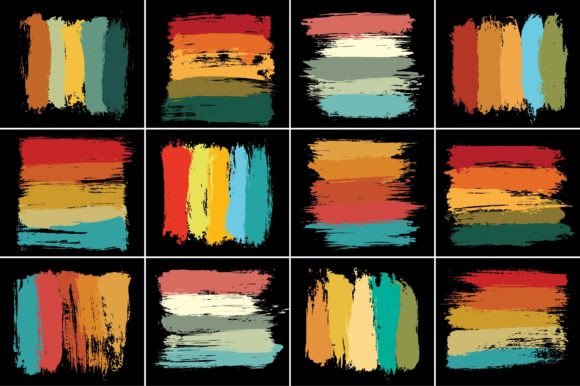
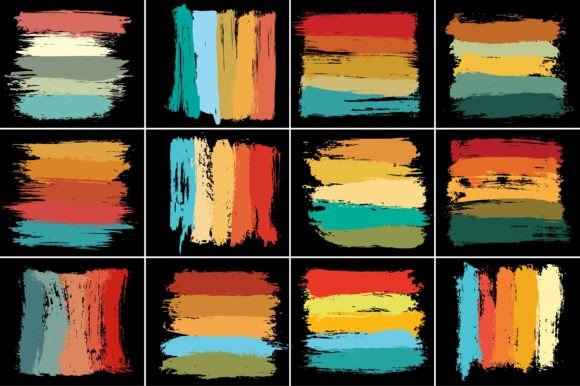
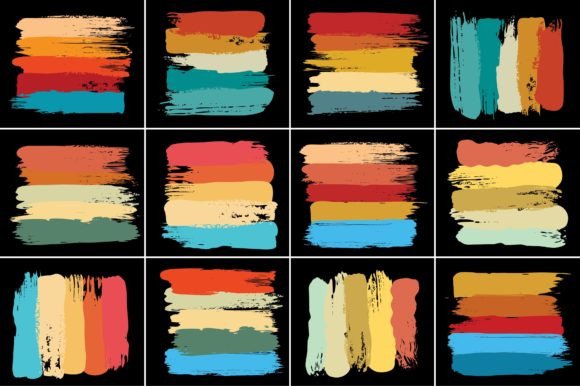
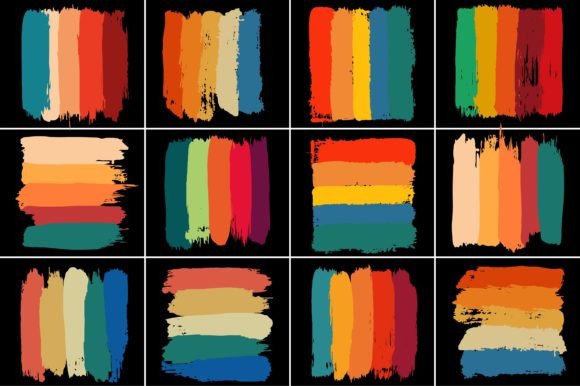
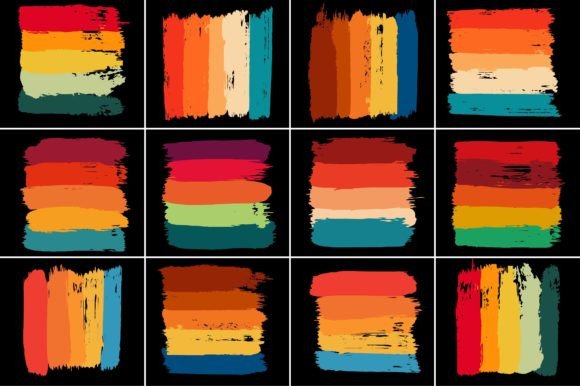
The mood of Retro Vintage Brush Paint Stroke is undeniably bold. It carries that raw, imperfect energy associated with mid-century advertising and modern streetwear. The shapes are fluid, suggesting movement and spontaneity. For a designer, this is both a gift and a challenge. Unlike geometric logos with hard lines, brush strokes rely on varying widths and tapered ends to feel authentic. When evaluating this as a potential machine embroidery design, the primary question is whether the digitization (if you are converting these graphics) or the application method can capture that "dry brush" texture without turning into a solid, heavy block of thread.
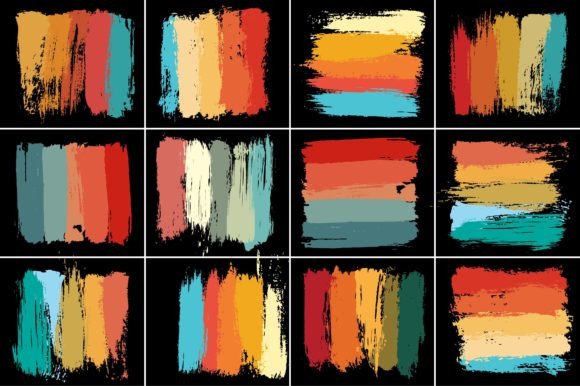
The layout of the 12 included PNG files offers a nice variety of orientations. Some are horizontal sweeps, perfect for chest logos on custom apparel, while others are vertical accents that could frame text on a tote bag design. The transparency of these files is a huge plus for creating printable mockup assets before you ever cut a piece of fabric. Being able to visualize the stroke against different fabric texture backgrounds saves time and prevents costly mistakes in material selection.
Real-World Application: The Boutique Sweatshirt Scenario
Let's walk through a realistic scenario. Imagine a client approaches your small shop product line requesting a limited run of oversized crewneck sweatshirts for their boutique brand. They want something that feels handmade but professional. This is where Retro Vintage Brush Paint Stroke shines. Because the design is essentially a background element or an accent, it works beautifully behind a simple sans-serif font or as a standalone graphic on the sleeve.
In this sweatshirt embroidery project, the thick cotton blend of the garment provides enough stability to handle the visual weight of the brush stroke. If you are using these graphics to create an applique design, the rough edges of the brush stroke forgive minor alignment issues that might plague a perfect circle. The "ink" look translates well when using a satin stitch border with a contrasting fill stitch interior, or even just a dense running stitch pattern to mimic the grain of a paintbrush. The result is a finished product that feels high-value and trendy, appealing directly to customers looking for unique personalized gifts.
Navigating Fabric and Hoop Challenges
However, enthusiasm must be tempered with technical reality. Not every surface is ready for this design. If you attempt to apply a large brush stroke to a structured cap, you will fight the curvature of the crown. The design might distort, making the stroke look warped rather than artistic. Similarly, thin or stretchy fabrics like lightweight rayon or jersey knits require serious attention to stabilizer choice. Without a robust cut-away stabilizer, the pull of the stitches could cause the fabric to pucker, ruining the fluid lines of the vintage stroke.
Small hoop sizes present another limitation. If the specific brush stroke variant you choose is wide, you may need to re-hoop or split the design, which risks misalignment. For baby embroidery projects, such as a onesie or a small bib, you must be selective about which of the 12 files you use. A massive sweep of "paint" might overwhelm a small garment, whereas a smaller, subtle accent could add just the right amount of character without compromising comfort. Always check the dimensions of the specific PNG or EPS file against your available hoop size before committing to the stitch-out.
Enhancing Brand Value and Customer Trust
For Etsy sellers and creative entrepreneurs, the perceived value of a product often hinges on the details. Using a generic clipart look can make a handmade product feel mass-produced. In contrast, leveraging the artistic nature of Retro Vintage Brush Paint Stroke elevates the presentation. It signals to the buyer that thought went into the design curation. Whether you are selling holiday embroidery ornaments, wedding gifts, or everyday wear, the retro vibe taps into current fashion trends, increasing buyer engagement.
Consistency is key for boutique branding. Since this pack includes 12 variations, you can maintain a cohesive look across different items—using one stroke style for a logo on a tea towel and a complementary stroke for a matching embroidered patch. This level of coordination builds trust. Customers recognize the aesthetic and begin to associate it with your brand's quality. Furthermore, because the files are high-resolution design assets, they are excellent for creating marketing materials, social media posts, and packaging labels, ensuring your digital presence matches your physical goods.
Practical Notes for the Working Designer
Before you launch this into production, here are a few critical steps to ensure success. First, remember that the product description specifies 12 PNG files and 1 EPS file. These are graphics, not necessarily pre-digitized embroidery files ready for your machine. Unless you have software to convert these or a separate digitized version, you will need to trace them into your embroidery software. During this process, pay close attention to stitch density. A solid fill might look too heavy; consider using lighter densities or textured fills to mimic the dry paint effect.
- Test on Scrap: Always stitch a sample on the exact fabric you intend to use. Thread behaves differently on linen than on polyester blends.
- Color Contrast: Experiment with thread colors. While black ink on white fabric is classic, try tonal stitching (e.g., navy thread on a royal blue garment) for a subtle, sophisticated look.
- Mockups: Use the transparent PNGs to create black-and-white mockups. This helps you judge the shape and balance without being distracted by color.
- Licensing Check: Since this falls under commercial embroidery potential, verify the specific license terms provided with the download. Ensure you are cleared to sell finished items or if there are restrictions on redistributing the digital files themselves.
- Wash Testing: Dense areas of stitching can affect the drape and durability of garments meant for frequent washing. Test a washed sample to ensure the design holds up without excessive shrinking or fraying.
In conclusion, Retro Vintage Brush Paint Stroke is a versatile tool for the modern maker. It bridges the gap between digital artistry and tactile craftsmanship. When used with an understanding of fabric limitations and proper stabilization techniques, it can transform simple blanks into standout pieces. Whether you are decorating a kitchen towel or building a full clothing line, this design asset offers the retro flair that today's market craves, provided you approach the execution with a designer's eye and a technician's precision.