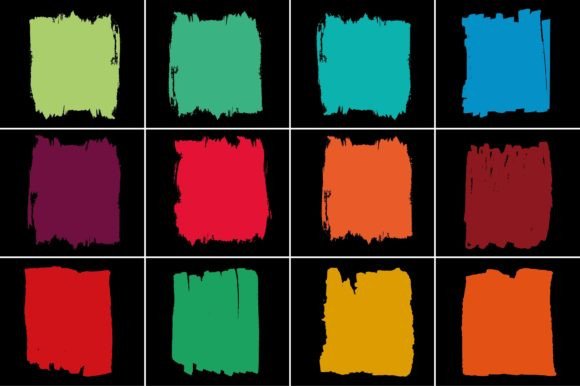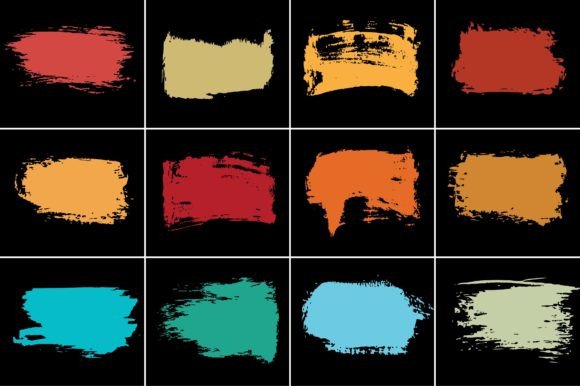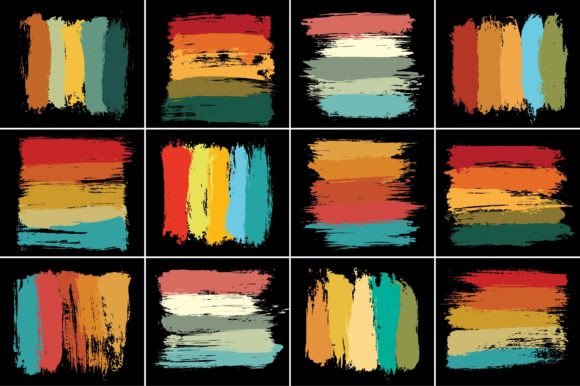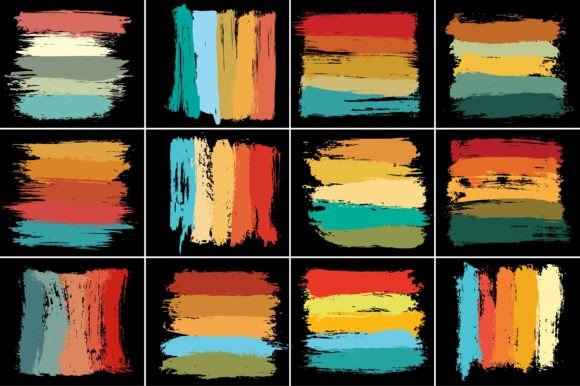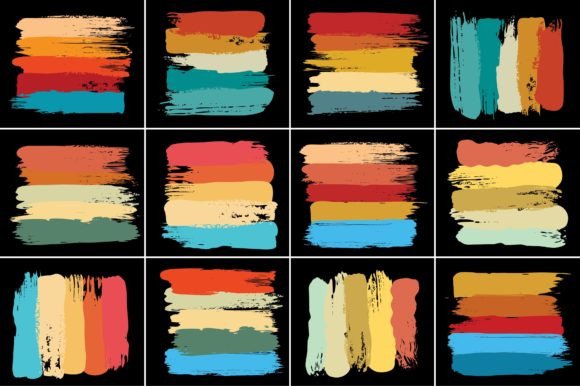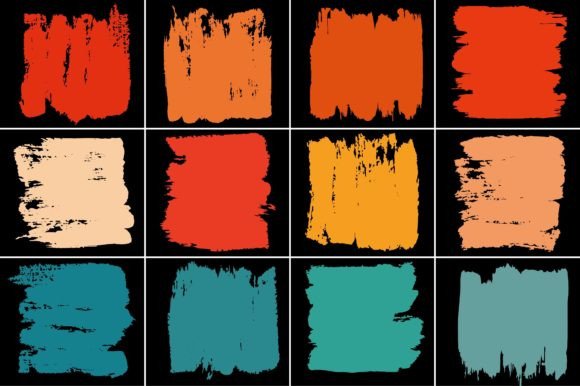
Ink Paint Brush Stroke Mask Frame: A Designer’s Review
As a designer who spends half my life staring at digitized paths and the other half pulling thread through fabric, I have learned that not every graphic translates well to needlework. We often get swept up in the visual appeal of a digital file, forgetting the physical reality of stitching. That is why I took a close, critical look at the Ink Paint Brush Stroke Mask Frame. This isn’t just another clipart bundle; it is a specific tool for framing and accenting, and understanding its behavior under the needle is crucial for anyone running a craft business or creating personalized gifts.
The First Impression: Organic Flow Meets Structural Utility
When I first opened the files, the immediate takeaway was the organic, imperfect nature of the brush strokes. In the world of Graphics, this aesthetic is popular because it feels human and handcrafted. For an embroidery designer, however, "imperfect" can be a double-edged sword. The Ink Paint Brush Stroke Mask Frame offers a dynamic border that breaks away from rigid geometric lines. It creates a mood that is artistic, slightly rustic, and modern all at once.
The layout suggests versatility. It is not just a standalone image but a framing element. This means its primary job is to highlight something else—perhaps a monogram, a small logo, or a central motif. The visual personality is bold yet fluid, which makes it a strong candidate for projects where you want to add character without overwhelming the main subject. If you are an Etsy seller looking to elevate a simple text-based design, this frame provides the artistic weight needed to turn a basic name into a boutique-worthy handmade product.
Real-World Application: From Digital File to Stitched Reality
To truly evaluate this embroidery file, I imagined it in several common production scenarios. Let’s consider a custom embroidered tote bag. Tote bags are typically made of canvas or heavy cotton, which have a distinct fabric texture. The broad, sweeping curves of the ink brush stroke would sit beautifully on this surface. Because the design mimics a paint stroke, it benefits from the slight irregularity of thread lay. Using a combination of satin stitch for the sharper edges and fill stitch for the broader areas could replicate that painted look effectively.
Another strong use case is sweatshirt embroidery. Here, the frame could encircle a school mascot or a family name on the chest. The organic shape softens the look of traditional collegiate lettering, making it feel more contemporary. However, this is where practical judgment comes in. Sweatshirts are thick and often fuzzy. If the stitch density of the digitized version is too low, the fabric pile might poke through, ruining the clean "ink" illusion. Conversely, if it is too dense, it could create a stiff, cardboard-like patch on a soft garment.
For those creating baby embroidery items, such as a nursery wall hanging or a blanket border, the gentle curves of the Ink Paint Brush Stroke Mask Frame are appealing. It avoids harsh angles, which aligns well with the soft aesthetics of baby decor. But remember, baby items undergo frequent washing. The durability of the frame depends entirely on how well it is anchored to the fabric, which brings us to stabilizer selection.
Navigating Technical Challenges and Fabric Constraints
While the design is visually striking, there are specific situations where you must proceed with caution. The first concern is hoop size. Brush strokes often have long, tapering ends. If you are working with a small hoop, you might find yourself trimming the design or losing the graceful tail of the stroke. Always check the dimensions against your machine’s maximum area before committing to a project.
Textured fabrics present another hurdle. On a waffle-knit towel or a rough linen, the fine details of a brush stroke can get lost. The thread colors you choose play a massive role here. High contrast is essential. If you are stitching white ink strokes on a cream towel, the definition will vanish. You need a stark difference to maintain the integrity of the shape. Additionally, on stretchy fabrics like jersey knits used in custom apparel, the tension of the stitches can cause puckering. A cut-away stabilizer is non-negotiable in these cases to support the weight of the fill stitches.
Curved surfaces, such as caps, require careful placement. The Ink Paint Brush Stroke Mask Frame is likely designed as a flat 2D element. Wrapping it around the front panel of a cap might distort the brush effect. It works best on flat panels or as a side accent where the curvature is minimal. Also, be wary of tiny, tapered corners. In embroidery, sharp points in a paint stroke can become bulky knots if the digitizer hasn’t properly handled the turn. Inspect the stitch path closely for any potential thread breaks or excessive jumps.
Enhancing Brand Value and Customer Perception
Why does this matter for your craft business? Because presentation drives value. A simple name embroidered in a standard font is functional. That same name framed by an artistic ink brush stroke becomes a design statement. It signals to the buyer that thought went into the composition. For commercial embroidery projects, such as boutique branding or staff uniforms, this level of detail elevates the perceived quality of the finished product.
When creating printable mockup assets for your online shop, this frame adds depth. It allows you to showcase your embroidery skills in a context that looks like high-end graphic design. This bridges the gap between Crafts and professional design services, helping you attract customers who are willing to pay more for unique, curated items. Whether it is a holiday embroidery gift tag or a permanent label on a leather patch, the frame adds a layer of sophistication.
Practical Notes for the Embroidery Designer
Before you load this design into your machine, take these practical steps to ensure success:
- Test on Scrap Fabric: Never skip this. Stitch the Ink Paint Brush Stroke Mask Frame on the exact fabric type you plan to use for the final item. Check for puckering, thread breaks, and coverage.
- Check Stitch Density: Since the product description mentions PNG and EPS files, you may need to digitize this yourself or use an auto-digitizing feature. Auto-digitizing often creates overly dense fills. Manually adjust the density to suit the fabric weight.
- Contrast is Key: Test the design in black and white mockups first. If the shape doesn’t read clearly in grayscale, it won’t read well in thread. Ensure your thread colors provide enough separation from the background.
- Verify Licensing: The product includes 12 PNG files and 1 EPS file. Confirm whether these graphics are licensed for commercial use if you plan to sell the embroidered patch or tote bag design. Some graphic licenses differ from embroidery file licenses.
- Stabilizer Selection: Match your stabilizer to the fabric. Use tear-away for stable woven cottons and cut-away for knits or stretchy materials. The goal is to support the stitch count without adding unnecessary bulk.
In conclusion, the Ink Paint Brush Stroke Mask Frame is a versatile asset for the modern maker. It bridges the gap between digital art and tactile craft. By respecting the technical limitations of embroidery and choosing the right applications, you can transform this graphic into a standout feature of your small shop product line. It is not just a file; it is a design opportunity waiting for your creative direction.